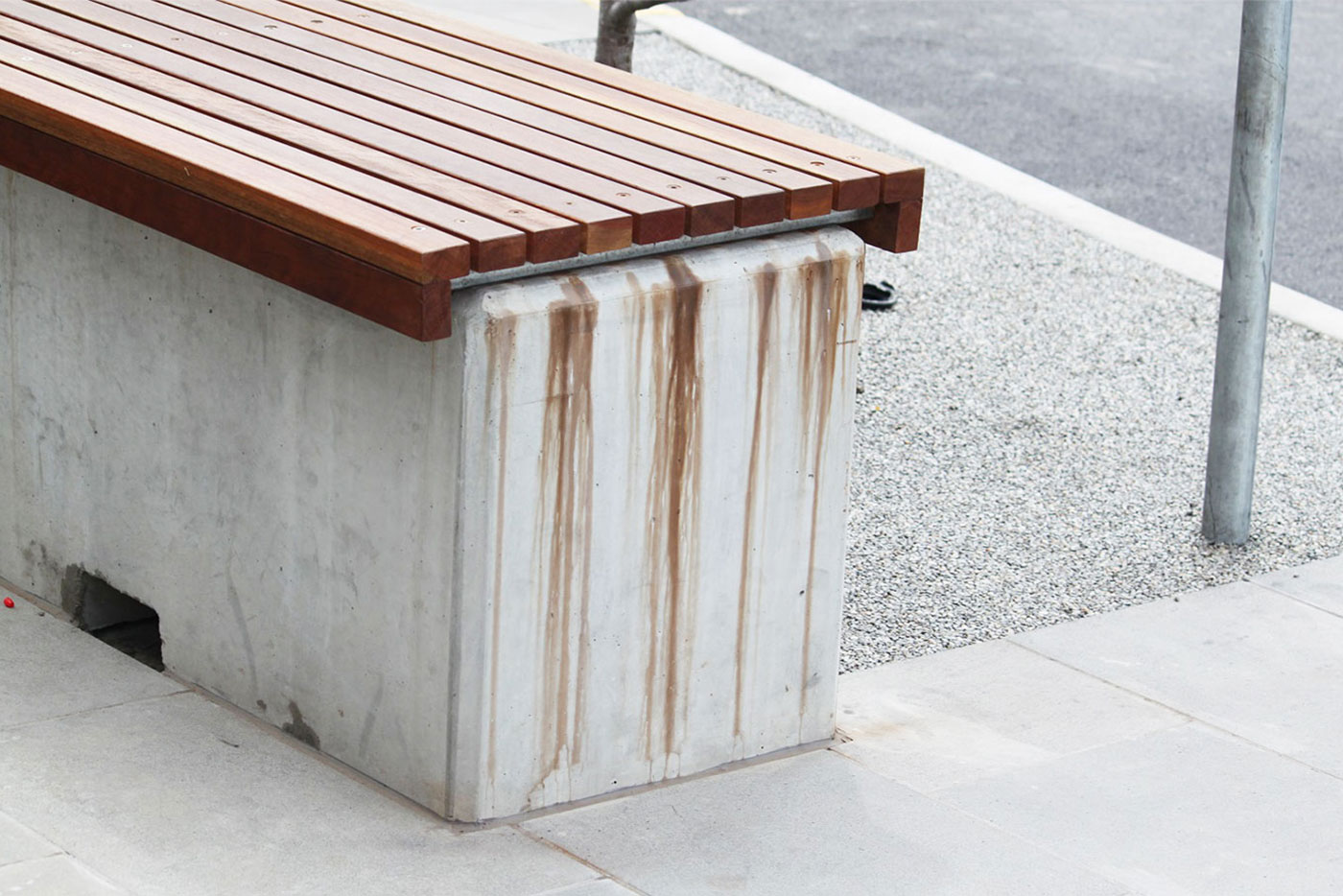
These stains often cause dark discolorations that bleed through paint, ruining the finish and overall presentation. Understanding tannin staining, allure causes, and how to fix it can help you maintain a clean and long-lasting paint task.
In this guide, we describe what tannin staining is, in addition to the causes, symptoms, and effective answers.
What Is Tannin Staining?
Tannin staining happens when unaffected compounds named tannin, about wood, rise to the surface and seep through paint or coatings. These stains occasionally appear as marks that return even after repainting
Causes of Tannin Staining
Tannin stains don’t perform randomly—they are occasionally brought about by distinguishing environmental or application cause.
1. Moisture Exposure
Moisture is the primary cause of tannin bleed.
Water activates tannin inside the wood
Leaks, moisture, or rain can produce staining
Poor ventilation increases liquid development
Example: Water leaks in ceilings repeatedly lead to apparent brown stains.
2. Painting on Raw or Unsealed Wood
Applying paint honestly on untreated wood admits tannin to leak through easily.
No hurdle to block tannins
Paint absorbs unrefined wood oils
Stains appear before artwork
3. Cheap Paint or Primer
Not all paints are devised to block stains.
Regular paint cannot seal tannins efficiently
Cheap primers may abandon over opportunity
Results in persisting stains
4. Weather Conditions (Exterior Surfaces)
Outside wood surfaces are more prone to tannin staining.
Rain and dampness start tannin progress
Sunlight can weaken paint coatings
Seasonal changes exacerbate the issue
5. High-Tannin Wood Types
Certain kinds of wood easily hold more tannin.
Cedar
Redwood
Oak
These woods are more willing to cause staining if not right acted.
Effects of Tannin Staining
Ignoring tannin stains can bring about both aesthetic and fundamental concerns.
Why it matters:
Without calling moisture questions, stains will maintain returning.
2. Surface Cleaning
Remove loose or scaling paint
Clean the surface to erase soil and residue
Sand the magnitude for evenness
3. Use a Stain-Blocking Primer
This is ultimately the main reason to become involved in repairing tannin stains.
Recommended primer types:
Oil-based primers
Shellac-situated primers
Benefits:
Blocks tanning from bleeding through
Provides an effective base for paint
4. Paint Apply
Choose paints with stain-antagonistic characteristics
Apply not completely two coats
Allow decent drying opportunity between coats
5. Consider Professional Help
For fixing tannin staining, engaging a professional painter is a consistently excellent alternative.
Advantages:
Expert diagnosis of hidden issues
Use of professional-grade materials
Long-lasting and innocent finish
Conclusion
Tannin staining may seem like a minor issue, but it can significantly influence the image and strength of your paintwork. Using stain-hindering primers, finest paint, and appropriate surface development guarantees that your surfaces will be clean, new, and enduring.
Eugene Gonzalez is a writer and editorial contributor at makeahappyhome.com, covering news and features across the site. Eugene focuses on clear, reader-friendly reporting.