
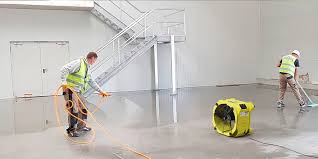
A drying rental works best when the plan follows the moisture path: remove free water, expose wet surfaces, move air across those surfaces, and lower humidity while the room stabilizes. For Toronto property owners, the sharper question is dry-side power access near the equipment path: that detail helps separate water removal, airflow, humidity control, filtration and follow-up checking before any rental is booked. That detail is small, but it can decide whether the first setup is enough.
Start with the local moisture problem
City of Toronto basement flooding guidance gives the discussion a practical local base without implying that every wet room in the city has the same cause or fix. For homes, basement apartments, small shops and property managers, the practical question is not only how to remove visible water, but how to keep humid materials from sitting wet after the first cleanup pass. A storage room where boxes are holding moisture against the floor can look manageable once the surface water is gone, especially in a finished basement rec room, but the slower problem may be occupied-room noise during run time. That makes the first inspection after setup more useful.
For a property owner in Toronto, the rental choice is easier once the room is separated into free water, damp materials, humid air and possible hidden moisture. Those are different jobs. A fan can move air, but it does not remove water held in carpet; a dehumidifier can lower airborne moisture, but it cannot fix blocked airflow. A good rental plan starts with recording what was wet before furniture is moved back. A useful next move is marking damp edges with painter’s tape before equipment arrives, then checking how the room responds.
That early sorting also helps readers who are not restoration technicians. Notes about where water entered, which materials were affected, and whether the room can be isolated will make any supplier conversation more specific. In this case, the detail to keep in view is the corner outside the direct airflow path, especially while lifting contents before air movers are aimed, because it can decide whether a simple rental is enough or whether the plan needs another step. In practical terms, checking whether a room can tolerate overnight run time gives the renter a clearer way to evaluate the first run time.
Match the rental to what is still wet
Air movement and dehumidification should not be treated as interchangeable. Fans expose wet surfaces to moving air; dehumidifiers lower the moisture load in the room so evaporation can continue. A useful guide distinguishes what can be dried, what should be removed, and what needs another opinion. In plain terms, a portable dehumidifier belongs in the plan only if it solves the current bottleneck. If water is still pooled or held in carpet, extraction comes before drying; if the room is closed and humid, dehumidification matters; if dust is part of the work, filtration may deserve its own decision. This is where pairing airflow with moisture removal in closed rooms connects the equipment choice to the room.
The mistake is treating every damp room as a fan problem. Air movement works when wet surfaces are exposed and the air has somewhere to carry moisture. In this version of the job, the placement issue is condensation on cool glass or exposed metal, so keeping cords away from wet walking paths matters more than simply adding another machine. A practical rental plan treats the flooring edge beside the baseboard as a setup detail rather than a cleanup footnote.
It is also worth separating comfort from drying. A room can feel breezy and still have wet materials, and a warmer room can still carry too much humidity. More useful signs include whether the concern around low spots where water collected first has been addressed, whether odours fade after run time, and whether treating odour as a clue rather than proof is changing the affected surfaces rather than only the open middle of the room. That matters here because overnight isolation of the affected room may change the next rental step.
Compare three practical rental paths
- General tool-rental counter: useful for common access and pickup when the job is simple and the renter already knows what to ask for.
- Large equipment rental house: useful when the site also needs broader construction or climate-control support, especially if equipment size and delivery timing matter.
- Restoration-focused rental source: useful when the renter needs equipment categories that match water-damage cleanup and wants the conversation to start with drying, filtration or moisture checks.
The right path for Toronto depends on the job. A straightforward blower pickup is different from a multi-day dehumidification plan or a room where air filtration is part of the work. The shopping process should narrow the equipment first, then compare convenience, price and whether separating clean-water drying from unknown-water cleanup is realistic. The plan should stay tied to the condition around humidity trapped behind a closed door instead of reducing the job to room size.
A useful shopping note is to ask each supplier the same questions: what category they recommend, how long it should run, what power it needs, and what would show the rental is not enough. Comparing answers around dust near the drying zone makes the short list more practical than comparing names alone. The safer assumption is to revisit dust near the drying zone before the room is reset.
Before choosing, write the short list in plain language: what will be picked up or delivered, where it will sit, who will check it, and what condition should improve first. That keeps reviewing the plan before adding more machines tied to the purchase decision instead of becoming an afterthought. A rental plan that accounts for the carpet underside at doorway transitions is easier to adjust after the first run time.
Where a drying-specific rental page fits
When the shortlist needs a drying-specific reference, use DryingEquipment.ca’s portable dehumidifier rental page to check the category details. The page should be read beside the room notes, including cool carpet edges after extraction. Opening the airflow path instead of crowding one corner gives the first few hours of run time a clearer purpose.
The practical value is not that one page answers every problem; it is that a reader can compare a specific equipment category against the notes from the room, especially when checking the room again after the first few hours is part of the plan. The practical check is to look at the wall base behind shelving before keeping cords away from wet walking paths.
The point of comparing equipment is to reduce guessing. When the room suggests contamination, hidden moisture or structural damage, the safer path is to pause before adding machines. The simplest plan is often the most defensible: remove water, open surfaces, move air, control humidity and recheck. The plan is stronger when planning pickup or delivery around equipment size is treated as part of setup.
Questions to ask before booking
What should be checked before adding another machine?
Check furniture legs or boxes sitting on damp flooring first. If that detail is still unresolved, the answer may be better placement, extraction or dehumidification rather than more equipment. That keeps attention on the condition of the materials while the equipment is running.
How should a short list be narrowed?
Narrow it by the problem first: water held in soft material, humid air, dusty work, or uncertain moisture behind finishes. Supplier convenience comes after that. The point is to see whether asking what would make the rental plan fail changes the affected material, not just the room feel.
For Toronto, keep the last check concrete: recording what was wet before furniture is moved back, matching the equipment to the wet material, and revisiting dry-side power access near the equipment path before the room goes back to normal. A careful renter keeps the plan adjustable because wet rooms rarely dry evenly. That keeps the decision tied to the room instead of to a generic equipment list.
About the Author


