BRI projects in Bangladesh are significantly enhancing trade access and deepening China’s strategic footprint in the Bay of Bengal. This expansion reflects a growing influence in the region.
Overview of BRI Projects
The Belt and Road Initiative (BRI) projects in Bangladesh have gained significant attention due to their potential to enhance trade access and strengthen regional ties. These projects aim to improve infrastructure and connectivity, which are crucial for economic growth.
Key features of the BRI projects in Bangladesh include:
- Infrastructure Development: Major investments are being made in roads, railways, and ports, which facilitate smoother logistics and transportation.
- Energy Projects: BRI projects are also focused on energy, with initiatives to develop power plants and renewable energy sources to meet growing demands.
- Trade Facilitation: Enhanced connectivity is expected to streamline trade routes, making it easier for businesses to access international markets.
- Technological Collaboration: The projects encourage technological exchange and knowledge transfer, fostering innovation in various sectors.
As BRI projects in Bangladesh continue to unfold, they are likely to reshape the economic landscape, providing new opportunities for local industries and foreign investments. The strategic significance of these initiatives in the Bay of Bengal region cannot be understated, as they contribute to a deeper strategic footprint and stronger bilateral ties.
Impact on Trade Access
The implementation of BRI projects in Bangladesh has significantly transformed the nation’s trade landscape, providing enhanced access to international markets. These initiatives facilitate improved infrastructure, which is vital for boosting trade efficiency and reducing logistical costs.
One of the primary impacts of these projects is the development of key transportation networks. The construction of roads, railways, and ports allows for smoother movement of goods both domestically and across borders. This connectivity opens up new opportunities for Bangladeshi exporters and importers alike.
Moreover, the BRI projects in Bangladesh are expected to create a ripple effect in regional trade dynamics. By enhancing trade routes along the Bay of Bengal, Bangladesh positions itself as a strategic hub for commerce in South Asia. Not only does this benefit local businesses, but it also attracts foreign investment, fostering a more competitive market environment.
However, while the advantages are significant, there are concerns regarding dependence on Chinese financing and the potential implications for national sovereignty. As Bangladesh embraces these BRI initiatives, it must navigate these challenges to ensure that the benefits of expanded trade access are realized sustainably and equitably.
Strategic Importance of Bangladesh
Bangladesh’s strategic location makes it a pivotal player in the region, especially concerning the BRI projects in Bangladesh. Nestled between India and Myanmar, the country acts as a vital gateway for trade flows between South Asia and Southeast Asia. This geographical advantage has attracted significant Chinese investments aimed at improving infrastructure and boosting economic growth.
As China expands its Belt and Road Initiative (BRI), Bangladesh stands to gain from enhanced connectivity and trade opportunities. The investments focus on critical sectors such as transportation, energy, and telecommunications, which are essential for facilitating smoother trade routes.
Moreover, the Bay of Bengal serves as a crucial maritime route, enhancing not only Bangladesh’s trade prospects but also China’s access to international markets. By participating in BRI projects, Bangladesh can leverage its strategic position to foster economic ties with neighboring countries and beyond.
In summary, the strategic importance of Bangladesh in the context of BRI projects cannot be overstated, as the country’s participation is likely to reshape trade dynamics in the region, ultimately contributing to its economic development while solidifying China’s influence in South Asia.
China’s Growing Influence
China’s growing influence through its Belt and Road Initiative (BRI) projects in Bangladesh is becoming increasingly evident. These initiatives are not just enhancing infrastructure but also reshaping trade dynamics in the region. As Bangladesh serves as a vital link in China’s ambitions in South Asia, the BRI projects in Bangladesh are crucial for facilitating smoother trade routes and improving connectivity.
One of the key components of this influence is the development of ports and transportation networks. By investing in infrastructure, China aims to establish a strategic foothold in the Bay of Bengal, which is a significant maritime trade route. This not only benefits China but also offers Bangladesh a chance to boost its economy through enhanced trade access.
Furthermore, the BRI projects in Bangladesh have prompted collaboration between the two nations, fostering stronger political and economic ties. Local businesses are expected to benefit from the increased accessibility to Chinese markets, leading to potential growth opportunities.
However, this growing influence does raise concerns regarding dependency on China. Stakeholders are urged to consider the long-term implications of these projects and ensure a balanced approach that fosters sustainable development in Bangladesh.
Future of Infrastructure Development
The future of infrastructure development in Bangladesh is set to be significantly shaped by the ongoing BRI projects in Bangladesh. These initiatives aim to enhance connectivity and strengthen trade routes, which are crucial for the nation’s economic growth.
As Bangladesh positions itself as a vital hub in South Asia, several key factors will influence the trajectory of these projects:
- Investment in Technology: Integrating advanced technologies will be essential for ensuring that infrastructure developments are both sustainable and efficient.
- Public-Private Partnerships: Collaborative efforts between the government and private sector will likely accelerate project timelines and improve resource allocation.
- Environmental Considerations: Future projects will need to prioritize ecological sustainability to mitigate adverse effects on local communities and ecosystems.
- Regional Cooperation: Strengthening ties with neighboring countries may enhance trade access and facilitate smoother implementation of BRI projects in Bangladesh.
Overall, as Bangladesh embarks on this ambitious journey, the successful execution of BRI projects will be instrumental in shaping not only the nation’s infrastructure landscape but also its economic future, fostering a more integrated and prosperous region.
Local Reactions to BRI Initiatives
The Belt and Road Initiative (BRI) projects in Bangladesh have elicited a range of local reactions, reflecting both optimism and skepticism among the populace. Many Bangladeshi citizens recognize the potential benefits of these initiatives, particularly in enhancing trade access and boosting the economy.
Supporters of the BRI projects believe that improved infrastructure will facilitate smoother logistics and connectivity, ultimately leading to increased foreign investment and job creation. In discussions, local business owners have expressed hope that these developments will open new markets for their products.
However, concerns about dependency on China and the environmental impacts of large-scale construction projects have also surfaced. Critics argue that while BRI initiatives may provide immediate benefits, they could lead to long-term challenges if not managed properly. The fear of debt dependency is a significant issue, with some citizens questioning whether the financial assistance from China will truly be sustainable.
Local NGOs have called for greater transparency and community involvement in the planning and implementation of BRI projects in Bangladesh. Many urge the government to ensure that the interests of the local population are prioritized, emphasizing the need for a balanced approach to development.
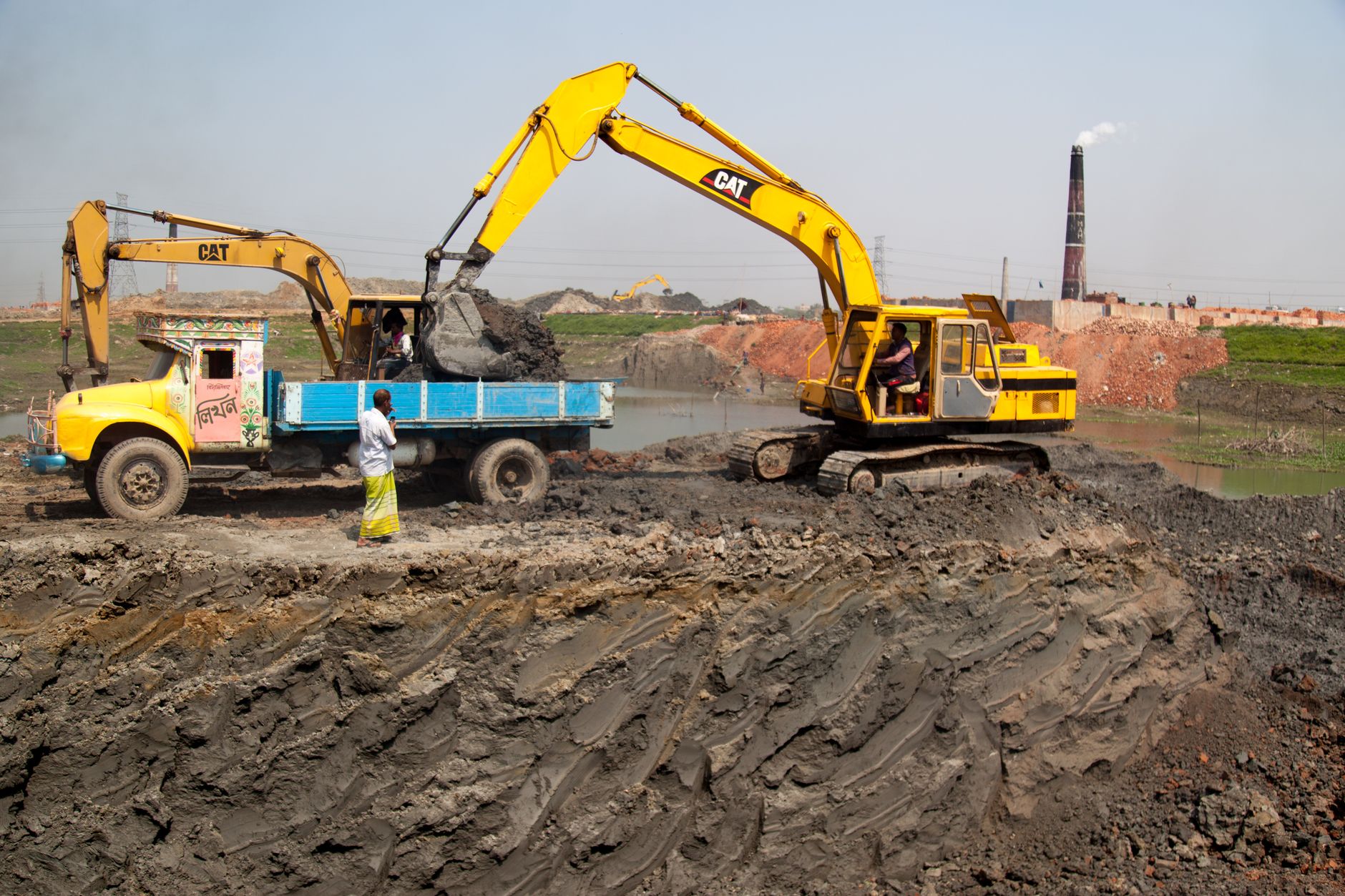
Photo by M Mahbub A Alahi on Pexels
Where this came from
Related stories
Weapons in Space: The Real Threats You Need to Know · iPhone Duo Foldable: Is It the Best Choice for You? · SAIL IISCO Steel Plant: Proven Infrastructure Projects for Growth
About the Author