
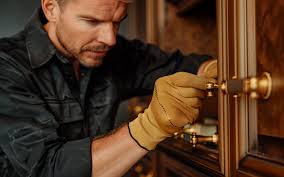
You notice it most on colder mornings.
The handle suddenly needs a harder pull. The patio door drags slightly near the bottom track. Condensation starts appearing around the frame even though it never used to. Then somebody wedges a bit of cardboard under the door because it no longer shuts properly.
And then nothing happens for another six months.
Across Leeds, Wakefield and a lot of the surrounding West Yorkshire towns, more homeowners are leaving UPVC door problems far longer than they used to. Some because money is tighter. Some because they assume the repair will be massive. Others because they simply get used to living around the problem.
Until the mechanism finally gives up.
One thing I keep hearing lately is people saying they “meant to get it looked at before winter”. By the time January arrives, the rollers are damaged, the locks are misaligned, the frame has started twisting slightly from repeated forcing, and what could have been a small adjustment job turns into a much larger repair.
This has become especially common with bifold doors and larger sliding patio systems fitted during the extension boom of the last decade.
A lot of those installations are now reaching the age where parts begin wearing out properly.
And Yorkshire weather does not help.
The Weather Is Exposing Weak Door Systems
Leeds has had its fair share of damp weather recently. Long wet spells, colder overnight temperatures, constant moisture sitting in tracks. You can usually tell within minutes when a door has gone through two or three winters without proper maintenance.
The rollers start sounding rough first.
Then the alignment drifts.
Then homeowners start lifting the handle harder and harder until eventually the locking points stop engaging properly.
With older patio doors, especially on houses around areas like Morley, Rothwell and Pudsey, you often see years of gradual deterioration that nobody noticed because it happened slowly. Doors rarely fail overnight. Most of them deteriorate bit by bit.
A sliding patio door that felt smooth five years ago might now need two hands to move. People adapt to it gradually without realising how bad it has become.
The same applies to bifold systems.
A lot of modern rear extensions around Leeds were fitted with large aluminium or UPVC bifold doors because that became the trend for open-plan kitchens. They look brilliant when new. Massive glass openings. Loads of light. Great in summer.
But they are mechanical systems. Fairly complicated ones.
Tracks get contaminated. Rollers wear down. Hinges drift slightly. Houses settle. Frames expand during heatwaves and tighten up again during colder months.
Some installations were excellent.
Some absolutely were not.
Cheap Hardware Is Catching Up With Homeowners
This is something people do not always realise until repair work starts.
Two bifold doors can look almost identical from the outside but internally use completely different hardware systems. One might last years with only small adjustments. Another starts developing faults surprisingly quickly because cheaper components were used during installation.
A lot of homeowners understandably assumed “new” meant “low maintenance”.
That has not really proved true with some of the door systems fitted over the last ten years.
From years dealing with these doors, one of the biggest problems is poor-quality rollers and locking mechanisms. Once wear starts, the entire system becomes harder to operate. People then force the handle harder, which throws alignment further out.
You end up with a cycle of damage.
The frustrating bit is many of these issues are repairable early on. But once people delay it for too long, sourcing compatible parts becomes much harder.
Especially with discontinued systems.
Older sliding doors in parts of Wakefield and Castleford are becoming awkward because manufacturers regularly change hardware designs. You sometimes arrive knowing the repair itself is straightforward but spend ages trying to source a compatible mechanism because the original parts are no longer produced.
That is becoming more common now.
Homeowners Are Trying More DIY Repairs
Some of the fixes people attempt are honestly painful to look at.
WD40 sprayed absolutely everywhere. Hinges adjusted randomly. Tracks filled with grease. Screwdrivers taken to locking keeps without understanding how the system actually aligns.
One thing I see often is homeowners trying to “lift” dropped bifold doors themselves after watching a five-minute online video. Occasionally they get lucky.
Usually they make it worse.
The problem with bifold door repairs is that everything interacts together. Rollers, hinges, locks, keeps, frame alignment. Adjusting one part incorrectly can throw the entire door system out.
Patio doors are similar.
A sluggish sliding door might look like a simple roller issue but sometimes the track itself has worn unevenly over years. Sometimes the frame has shifted slightly. Sometimes the drainage channels underneath are blocked and moisture has started affecting the lower running gear.
A lot of homeowners assume the problem is isolated when actually the whole system needs checking properly.
That is partly why demand for proper same-day UPVC repairs seems to have increased lately across West Yorkshire. People leave issues too long, attempt temporary fixes, then eventually need somebody quickly once the door becomes unusable.
Usually during bad weather.
Usually at the worst possible time.
The Cost Conversation Has Changed
A few years ago, some homeowners would jump straight to replacement quotes once a bifold or patio door developed issues.
Now people are much more repair-focused.
That shift is obvious.
Full door replacements are expensive. Especially larger bifold systems. Once you factor in removal, installation, finishing work and upgraded glazing, costs climb fast. A lot of households simply are not prioritising that sort of spending right now.
Repair work has become the middle ground.
Not because people suddenly love repairing things again. Mostly because replacing entire door systems feels financially excessive when the underlying issue is often mechanical.
You hear the same phrases repeatedly:
“We thought we’d need a whole new door.”
“We were told it couldn’t be repaired.”
“We’ve been putting it off for months.”
Some genuinely do need replacement. Especially badly warped older UPVC systems or doors fitted terribly in the first place.
But plenty still have years left in them with decent repair work.
Particularly sliding patio systems.
The number of homeowners automatically replacing patio doors used to be much higher. Now there is far more interest in keeping existing systems functioning properly instead.
That applies heavily around Leeds suburbs where large extension projects exploded during the late 2000s and early 2010s.
Those doors are now entering the age where wear starts becoming noticeable.
Leeds Extensions Created a Repair Boom Nobody Talks About
Drive around areas like Horsforth, Roundhay or parts of Garforth and you see it everywhere now. Rear kitchen extensions with wide-opening doors becoming standard rather than luxury upgrades.
The problem is many of those systems were installed quickly during busy construction periods when demand was huge.
Some installers were excellent.
Some chased volume.
You can usually tell within minutes when a bifold door was fitted without enough attention to long-term movement tolerances. Yorkshire houses move. Extensions settle. Temperature shifts matter. Tracks need proper support.
A slightly rushed installation may work perfectly for two or three years before problems start creeping in slowly.
Then homeowners assume the product itself is poor when actually the installation caused half the issues.
Dropped corners are common.
Misaligned locking points too.
And then there is track contamination, which becomes a massive issue with large garden-facing openings. Especially in homes with pets or young children constantly moving between indoors and outdoors.
Tiny stones. Mud. Leaves. Grit.
People underestimate how destructive that becomes over time.
Older Yorkshire Housing Adds Another Layer
Not every house in West Yorkshire was designed with huge modern doors in mind.
A lot of older Leeds and Wakefield properties have movement characteristics that newer systems struggle with long term. Victorian terraces, older semis, extended properties with mixed foundations. You often get subtle structural movement that affects door alignment over time.
Not dangerous movement. Just enough to matter mechanically.
This is why some newer bifold installations develop recurring issues despite repeated adjustments.
The house itself is still settling around them.
That creates frustration for homeowners because they think the repair “didn’t work” when really the system continues shifting slightly seasonally.
Colder weather makes it worse.
Damp affects things too.
And once people start forcing doors repeatedly because they are sticking, wear accelerates very quickly.
Particularly around locking mechanisms.
A properly functioning bifold door should not need body weight to lock. Yet plenty across Leeds currently do.
Sliding Doors Are Quietly Becoming the Bigger Problem
Bifold doors get most of the attention online because they look dramatic. But sliding patio door repairs are probably becoming the more common issue in real terms.
Especially older UPVC sliders.
Many were fitted fifteen or twenty years ago and simply have not been maintained much. Tracks wear gradually. Rollers flatten slightly. Frames loosen. Moisture builds internally.
People tolerate the deterioration because the doors still technically open.
Barely.
Then winter arrives and suddenly condensation appears heavily around the frame because the door no longer seals properly.
Or the lock jams entirely.
Or somebody lifts too hard on the handle and snaps internal components.
One thing I see often around Pontefract and Featherstone is older patio doors becoming incredibly stiff because the original rollers are long past their usable lifespan. Homeowners adapt by putting more physical force through the handle, which eventually damages the locking strip too.
At that point the repair becomes more involved than it needed to be originally.
This is where proper patio door repair services save people a lot of unnecessary cost.
Not glamorous. Just reality.
There’s Also a Security Side People Ignore
A poorly aligned door is not just annoying.
It can become insecure surprisingly quickly.
If locking points are not engaging properly, or the handle mechanism is partially failing, security drops massively. A lot of homeowners assume because the door “locks eventually” everything is fine.
Not always true.
Some doors are only partially engaging internally once alignment drifts enough.
You especially see this on older UPVC systems where repeated forcing has distorted components over time.
And because many rear bifold systems sit out of direct street view, homeowners sometimes underestimate the security risk.
One contractor I spoke to recently described some neglected patio doors as “basically decorative at that point”.
Bit harsh maybe. Not entirely wrong though.
Same-Day Repairs Are Increasing For One Simple Reason
People delay until failure.
That is really what is driving same-day callouts now.
Not panic. Delay.
Homeowners tolerate stiffness, dragging and poor locking for months until eventually the door becomes unusable entirely. Then they suddenly need urgent help because the bifold will not close before rain arrives or the patio door no longer locks overnight.
The pattern repeats constantly.
Particularly after sudden weather changes.
Cold snaps expose weak mechanisms quickly because metal components contract slightly and alignment tolerances tighten. A door that “mostly worked” during summer suddenly refuses to cooperate once temperatures drop sharply.
Then the phone calls start.
This has become especially noticeable with bifold door repairs across Leeds and surrounding areas where modern extensions are now old enough for hardware wear to appear properly.
The systems themselves are not inherently bad.
Most just need periodic adjustment and maintenance far earlier than homeowners expected.
The Industry Probably Oversold “Maintenance Free”
That phrase caused problems.
“Maintenance free” became attached to UPVC and aluminium doors for years, which gave people the impression these systems would simply keep working indefinitely without servicing or adjustment.
Not realistic.
Anything mechanical wears eventually.
Especially large moving glass panels exposed to Yorkshire weather all year round.
Tracks need cleaning properly. Rollers wear. Hinges loosen slightly. Alignment drifts. Locks need adjustment. Drainage channels block.
None of this means the doors are poor quality.
It just means they are working systems rather than static pieces of plastic.
A lot of homeowners were never really told that when these doors were installed originally.
So now people are surprised when repair issues appear after seven or eight years.
Truthfully, some systems do well to last that long untouched.
The Most Expensive Repairs Usually Started Small
That is probably the biggest pattern emerging lately across West Yorkshire.
Minor issues left unresolved turning into major failures later.
A stiff roller becomes damaged tracks.
A slight alignment issue becomes failed locking mechanisms.
A dragging bifold becomes distorted hinges and worn runners.
People are not ignoring repairs because they do not care. Most are simply juggling priorities and hoping the issue holds out a bit longer.
Sometimes it does.
Sometimes it suddenly doesn’t.
And once certain hardware systems fail completely, especially on older sliding doors, sourcing compatible replacement parts becomes much harder than homeowners expect.
That is when repair costs rise quickly.
You can usually spot the doors that were dealt with early. They still move reasonably smoothly. Locks engage properly. Adjustments remain relatively straightforward.
The heavily delayed ones feel rough immediately.
Grinding tracks. Forced handles. Misaligned keeps. Temporary DIY fixes everywhere.
Different world entirely.
There is a strange irony to all this really. Homeowners across Leeds spent years investing heavily in open-plan living, garden rooms and large glazed extensions designed to make homes feel bigger and brighter.
Now many of those same door systems are quietly entering middle age all at once.
And Yorkshire weather is not particularly forgiving.
About the Author


